01
Plan your conversion
Room ideas, planning guidance and a clearer brief.
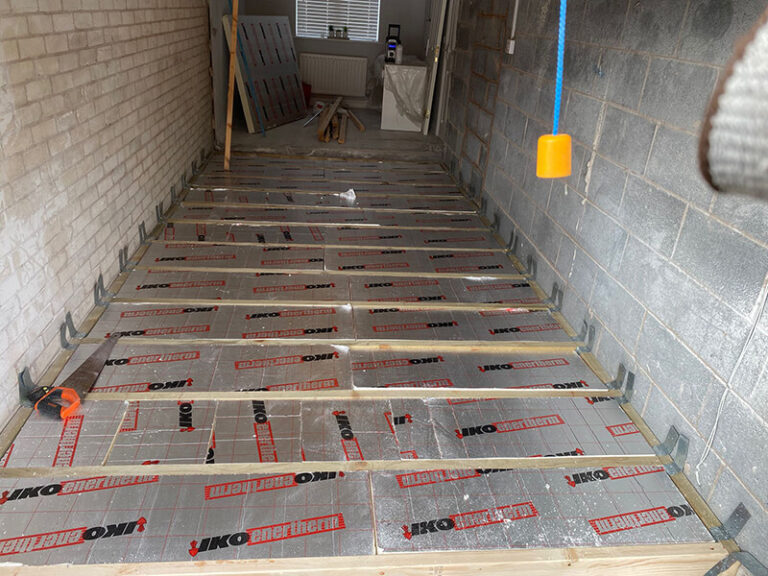
Separate condensation from penetrating damp by looking at humidity, cold surfaces, thermal bridges, ventilation, heating and occupancy.
 Practical guidance for UK homeowners
Plan your conversion
Room ideas, planning guidance and a clearer brief.
Get clear pricing
A guide range before you request quotations.
Build with confidence
Know what to ask about scope, approvals and warranty.
Condensation in a garage conversion forms when humid indoor air meets a surface cold enough for moisture to collect. It is different from ground moisture, penetrating damp and a failed DPC or DPM. The pattern matters: condensation often appears on cold corners, windows, behind furniture or after showers and drying clothes, while other moisture may follow rain, ground levels or wall junctions.
Record when the marks appear, which rooms are affected and whether the garage is heated. Check humidity, ventilation routes, cold bridges, window reveals, floor edges and the outside of the same wall. A bathroom, utility room, bedroom with drying clothes or poorly ventilated office creates different moisture loads. Do not paint over the evidence before the cause is understood.
Ventilation should not be treated as a substitute for repairing penetrating damp. Conversely, adding a membrane will not solve indoor humidity if the room remains cold and poorly ventilated.
The damp-proofing guide covers ground moisture, external levels and DPC/DPM details. Use it if moisture follows rain or rises through the floor. Use this page when humidity, occupancy, cold surfaces and air movement explain the pattern.
A shower, bath, utility sink or clothes airer can add a large moisture load to a small converted room. Extract should discharge to the outside through a suitable route, and replacement air should be able to enter without creating an uncomfortable draught. A bedroom or office may need a different background-ventilation approach. Ask for controls that respond to the use and keep the filters and grilles maintainable.
The most useful first visit starts with measurements, photographs and a clear record of what the garage is built from.
We separate early guidance from the contractor's final inspection, quotation, contract and warranty.
Answers to the practical questions most likely to shape this part of a conversion.
Condensation forms when humid indoor air meets a cold surface. Penetrating or ground moisture comes through the building fabric or junctions. The pattern, timing and location help distinguish them.
Not by itself. The room also needs suitable heating, insulation, air inlets or background ventilation and sensible moisture control for its actual use.
This guide was researched against: GOV.UK Approved Document F: ventilation · GOV.UK Approved Document C: moisture and contaminants · GOV.UK Approved Documents. Guidance can change; check the relevant authority for the property and nation.
Read the guides that answer the next practical question without repeating this page.
Find the source of moisture, check levels and specify the floor, walls and openings before a garage is lined or finished.
Read guide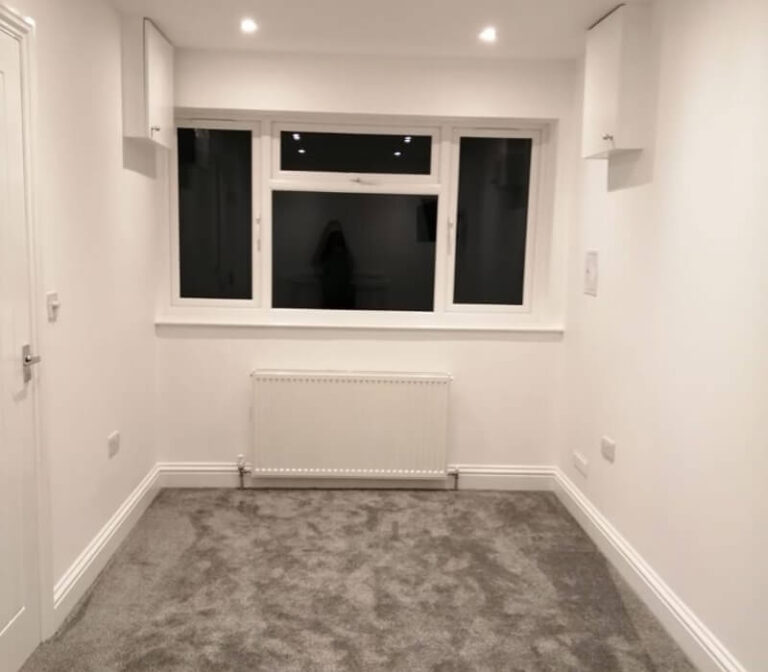
A warmer, tighter room still needs fresh air. Plan background ventilation, opening windows and extract systems around the room use and moisture load.
Read guide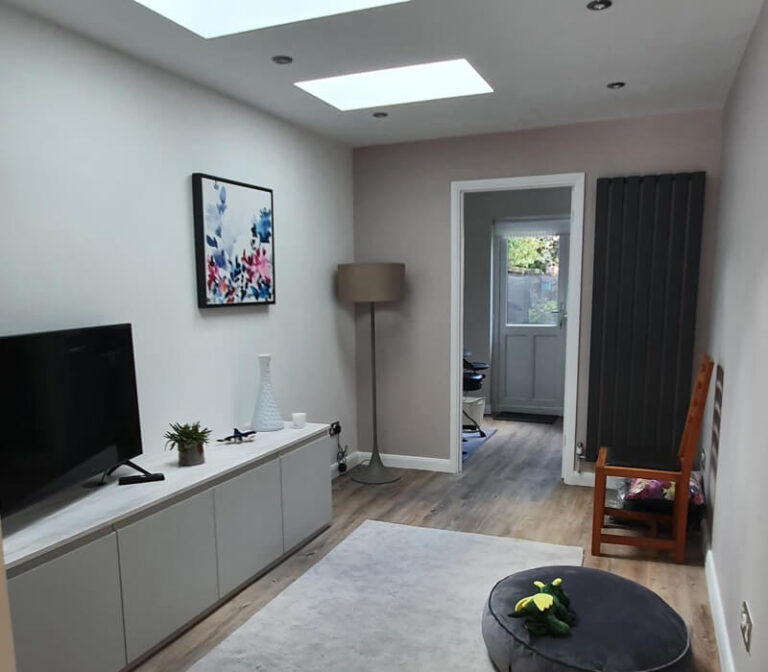
Choose heating after considering insulation, heat loss, room use, controls and the capacity of the existing system.
Read guideThe existing garage shell was not designed as a habitable room. Insulation is one of the details that changes that.
Read guide