01
Plan your conversion
Room ideas, planning guidance and a clearer brief.
An LDC can record planning lawfulness in England, but it is not building-regulations approval and it is not required for every conversion.
 Practical guidance for UK homeowners
Plan your conversion
Room ideas, planning guidance and a clearer brief.
Get clear pricing
A guide range before you request quotations.
Build with confidence
Know what to ask about scope, approvals and warranty.
A lawful development certificate (LDC) is an England planning document that can confirm a proposed or existing use or operation is lawful for planning purposes. It does not approve construction under building regulations, listed-building consent, private covenants or other legal regimes, and it is not needed for every garage conversion.
A proposed LDC asks whether the described work would be lawful if carried out. An existing LDC concerns the state of affairs at the application date. The application needs a precise description, plans and enough factual information for the local planning authority to apply the legal test. “Garage conversion” on its own may be too vague.
An LDC is not a way to avoid a planning application where permission is required. The authority considers the facts and relevant planning law.
GOV.UK states that a certificate relates only to lawfulness under planning legislation. Building regulations, listed-building consent and other requirements remain separate. You should also check the property’s original permission, planning conditions, Article 4 directions and private restrictions.
Describe the building, the proposed room and every external operation. Use accurate plans and include the evidence the authority needs. Keep the decision with the drawings and later completion certificate. If the proposal changes materially, ask whether the certificate still describes the work that will be built.
The useful evidence is the combination of the decision, the site plan, the proposed or existing description and the drawings that define the work. Check the certificate before changing the room’s use, adding an independent entrance or altering the frontage. An LDC does not freeze planning law: a later material change or a change to permitted-development rights can affect a proposed scheme. For a live project, ask the local authority what information it expects rather than submitting a vague room label.
The original decision, designation and proposed external changes often determine which question should be asked next.
We separate early guidance from the contractor's final inspection, quotation, contract and warranty.
Answers to the practical questions most likely to shape this part of a conversion.
No. It records lawfulness for planning purposes in England. Technical approval, listed-building consent and other requirements remain separate.
No. It can be useful evidence for a proposed or existing lawful development, but the local authority applies the test to the precise facts and description.
This guide was researched against: GOV.UK lawful development certificates · GOV.UK when permission is required. Guidance can change; check the relevant authority for the property and nation.
Read the guides that answer the next practical question without repeating this page.
Many internal garage conversions fall within permitted development, but the answer depends on the property, the work and where you live.
Read guide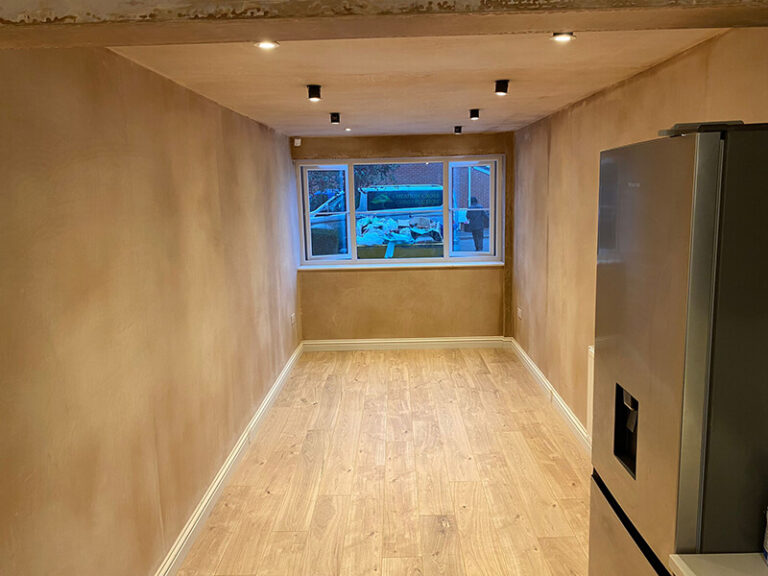
A condition attached to the original house permission may protect the garage or parking even where a conversion would otherwise look permitted development.
Read guide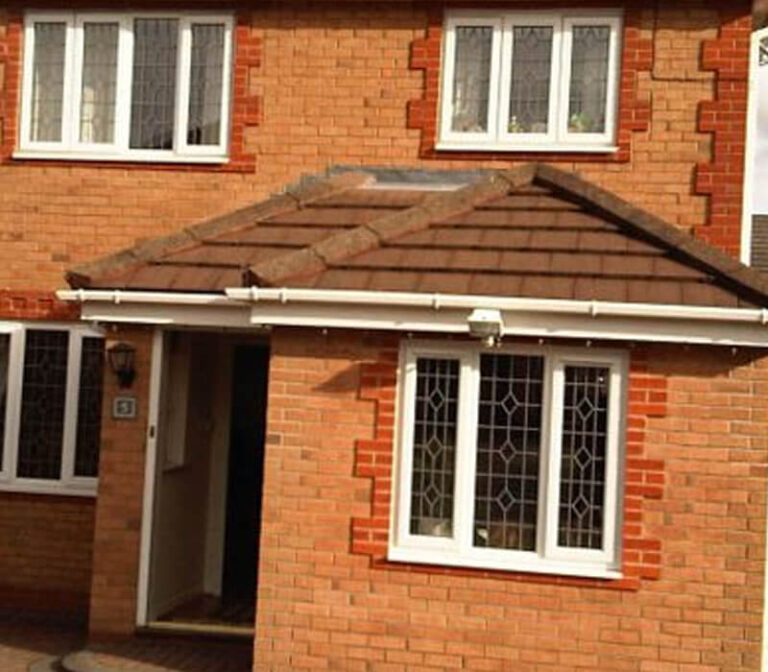
A conservation-area designation can make external appearance, windows, materials and parking more sensitive, so check local controls early.
Read guide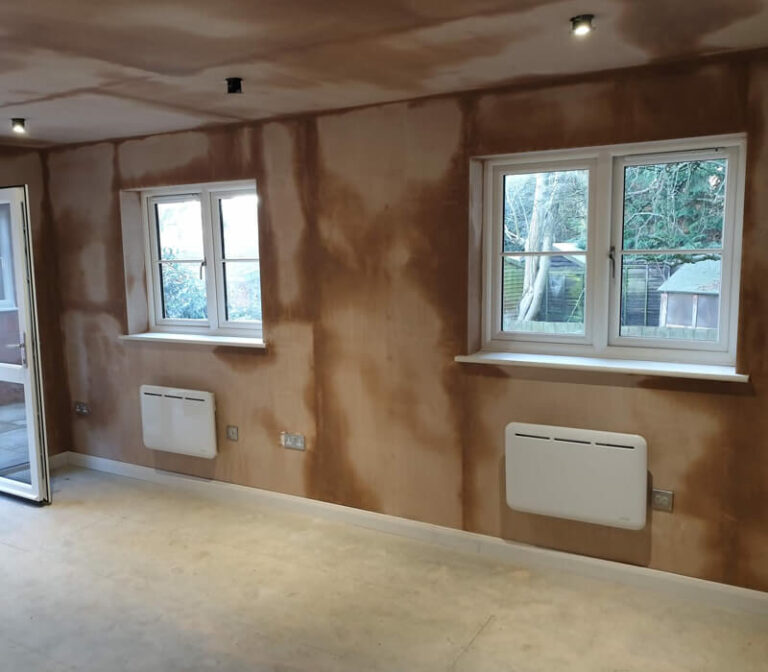
A completion certificate is part of the project record. Understand who issues it, what it confirms and what other documents belong with it.
Read guide