01
Plan your conversion
Room ideas, planning guidance and a clearer brief.
If a garage conversion was completed without the right approval, identify the work, ask the local authority about regularisation and avoid guessing about compliance.
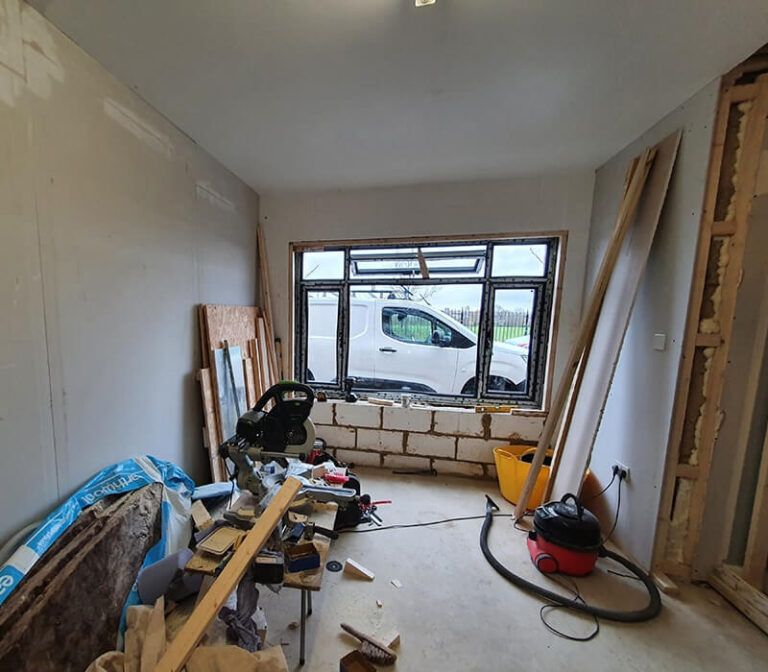 Practical guidance for UK homeowners
Plan your conversion
Room ideas, planning guidance and a clearer brief.
Get clear pricing
A guide range before you request quotations.
Build with confidence
Know what to ask about scope, approvals and warranty.
If a garage conversion was carried out without building-regulations approval, contact the relevant building-control body and ask about a regularisation application. The authority may need to inspect or expose work, and it may require changes before issuing a certificate. Do not assume that age, a builder’s invoice or an LDC proves technical compliance.
Gather dates, drawings, photographs, invoices and the names of contractors. List the work: floor, insulation, windows, structural openings, fire separation, electrics, plumbing, drainage and heating. Ask whether any part was self-certified under a competent-person scheme. This creates a factual starting point instead of relying on a vague description such as “the garage was converted years ago”.
A local authority may require a regularisation application for unauthorised building work. Inspection can involve opening up floors, walls or ceilings to assess concealed construction, and remedial work may be needed. The authority decides whether the work can be certified. A regularisation certificate is not planning permission and does not resolve listed-building, covenant, warranty or insurance issues.
Tell your conveyancer what is missing and ask what evidence the buyer’s solicitor requires. A survey may identify defects, but it is not a substitute for a building-control record. Resolve the approval route early because opening-up, redesign and remedial work can affect programme and cost.
The right solution depends on what was built, when it was built and which nation’s system applies.
Dates, decisions, inspections and certificates make the work easier to control and easier to explain later.
We separate early guidance from the contractor's final inspection, quotation, contract and warranty.
Answers to the practical questions most likely to shape this part of a conversion.
A local authority may offer a regularisation route, but it may require inspection, opening-up and remedial work before a certificate can be issued.
No. Planning lawfulness and technical building compliance are separate matters.
This guide was researched against: GOV.UK building regulations approval · GOV.UK competent person schemes. Guidance can change; check the relevant authority for the property and nation.
Read the guides that answer the next practical question without repeating this page.
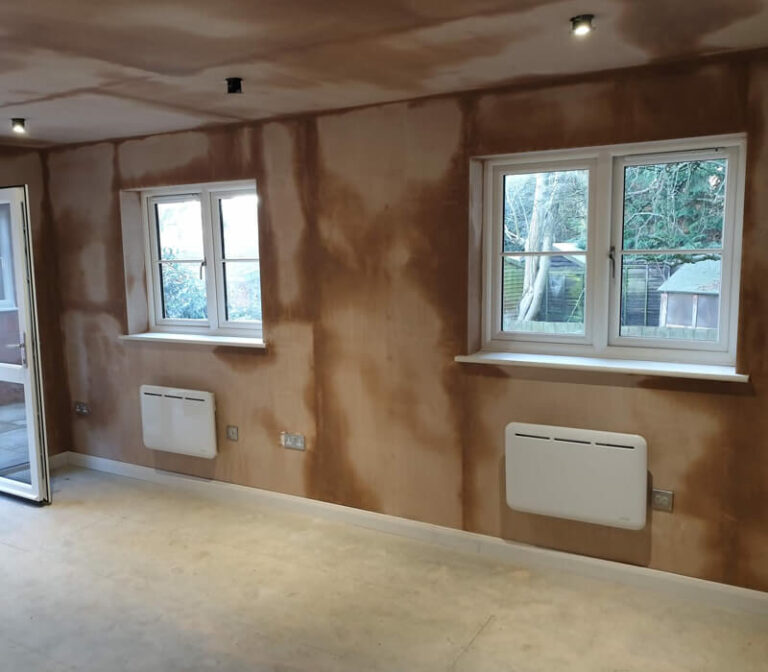
A completion certificate is part of the project record. Understand who issues it, what it confirms and what other documents belong with it.
Read guide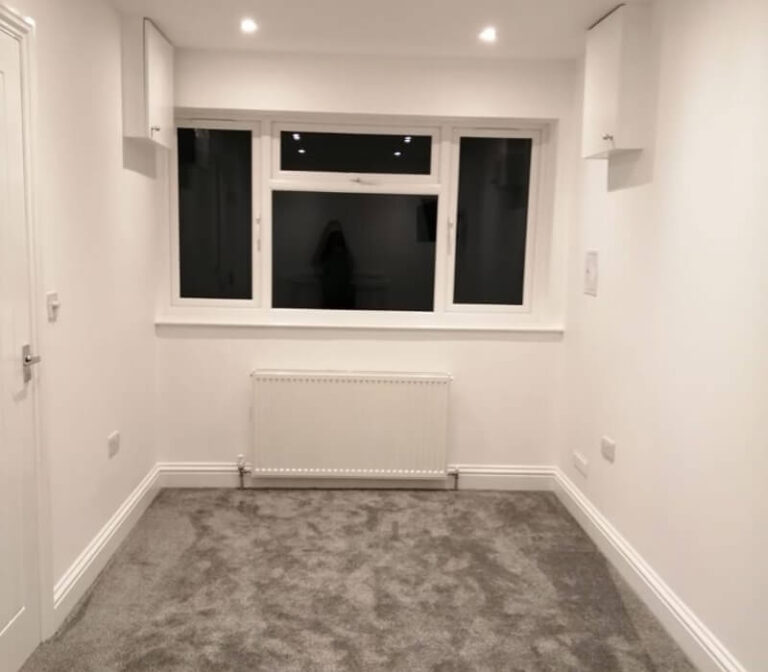
Prepare planning, building-control, electrical and warranty records before marketing a house with a converted garage.
Read guide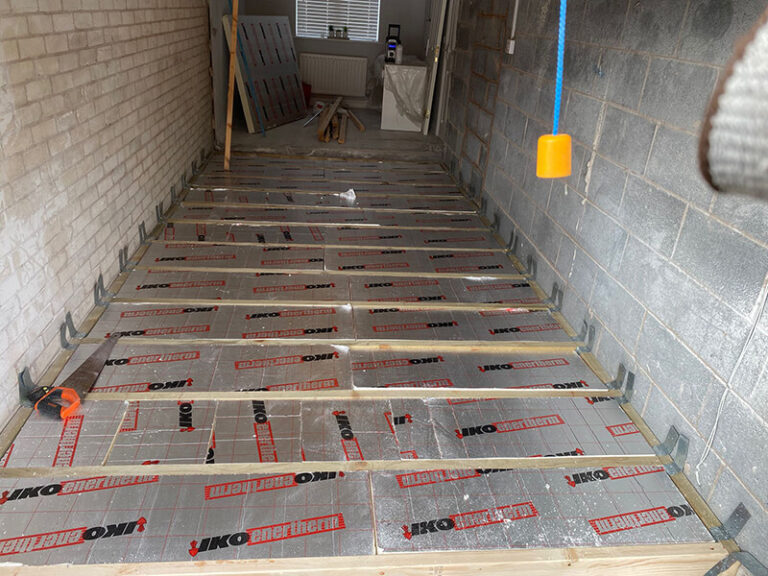
Building regulations cover structure, insulation, ventilation, fire safety, electrics and more. Here is what to expect.
Read guide
Avoid the most common garage conversion mistakes by checking the existing building, approvals, scope, services and paperwork before work starts.
Read guide