01
Plan your conversion
Room ideas, planning guidance and a clearer brief.
Understand the normal VAT position for garage work, why reduced VAT is not automatic and what the quotation should show.
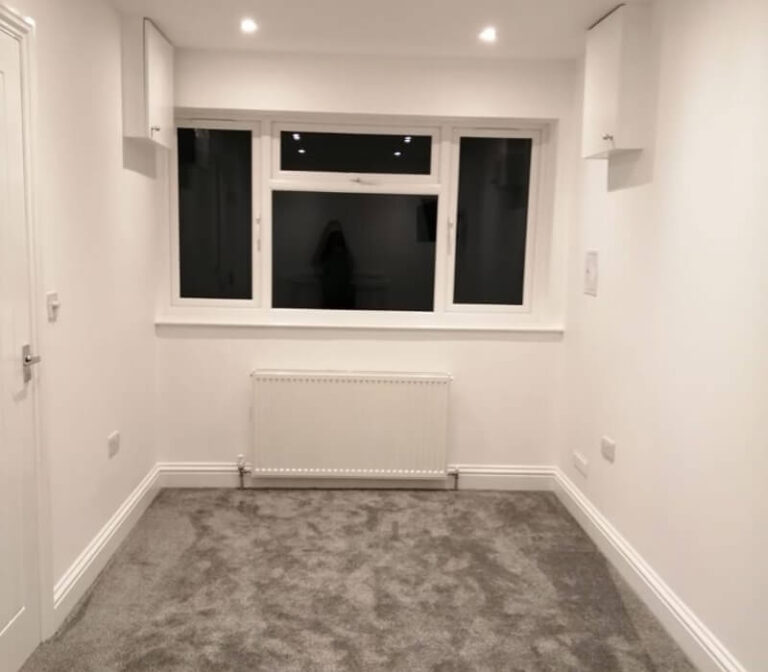 Practical guidance for UK homeowners
Plan your conversion
Room ideas, planning guidance and a clearer brief.
Get clear pricing
A guide range before you request quotations.
Build with confidence
Know what to ask about scope, approvals and warranty.
Most ordinary building work to an existing home is charged at the standard VAT rate, subject to specific HMRC exceptions. A garage conversion does not automatically qualify for reduced VAT simply because it creates a habitable room. The contractor should show the VAT treatment clearly and apply current HMRC rules to the actual building, use and scope.
HMRC treats different types of construction, conversion, renovation and adaptation differently. Converting part of an existing single dwelling into another room is not automatically the same as converting a non-residential building into a qualifying dwelling. The words “garage conversion” do not decide the VAT liability.
Some work for disabled people in their private residence may qualify for a separate relief, and some qualifying conversions can be reduced-rated. Those rules have detailed conditions. They should not be inferred from a room name, a builder's marketing description or an estimate found online.
Ask for the VAT position before comparing totals. A quote that hides VAT can look cheaper without being cheaper. If a project has an unusual use, changes the number of dwellings or is being adapted specifically for a disabled person, read the relevant HMRC notice or obtain professional tax advice.
This page is general information, not a tax calculation or advice about your personal circumstances. HMRC's VAT Notice 708 explains the conditions. Ask the contractor to explain their treatment and check the current HMRC guidance if the facts are not straightforward.
HMRC's treatment can differ between qualifying building work, supplied materials, professional fees, hire, waste, carpets and fitted furniture. Ask the contractor whether the quote is a single supply or several supplies and whether an eligibility certificate is required. Keep the written explanation with the invoice rather than relying on a verbal promise.
A useful brief explains what space, parking, storage and future flexibility the project is meant to deliver.
We separate early guidance from the contractor's final inspection, quotation, contract and warranty.
Answers to the practical questions most likely to shape this part of a conversion.
No. HMRC conditions are specific, and an ordinary conversion of part of an existing home will not automatically qualify. Ask the contractor to show the VAT treatment on the quotation.
The contractor is responsible for charging VAT correctly, but the customer should check the explanation against current HMRC guidance for the actual project.
This guide was researched against: HMRC VAT Notice 708: buildings and construction · HMRC VAT for builders: houses and flats. Guidance can change; check the relevant authority for the property and nation.
Read the guides that answer the next practical question without repeating this page.
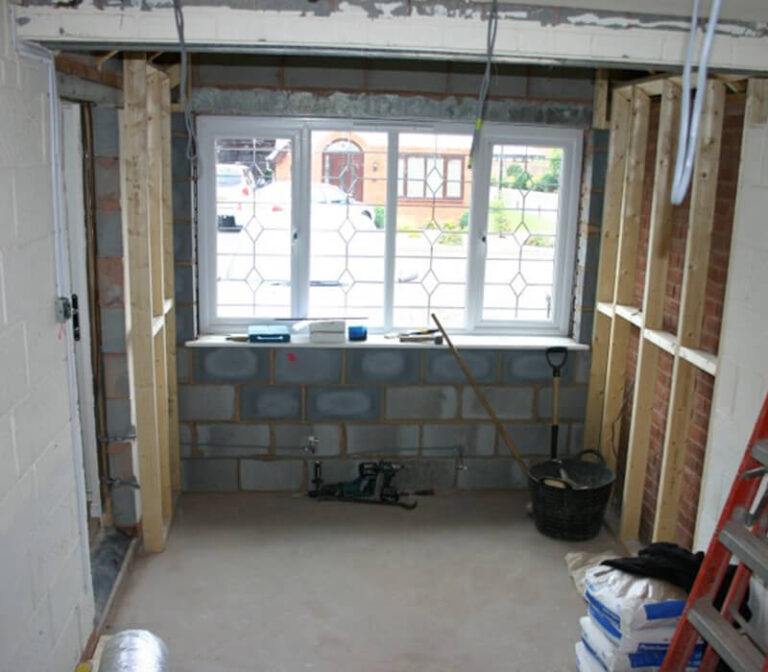
The less obvious garage conversion costs include floors, damp, drainage, services, access, approvals and specification changes.
Read guide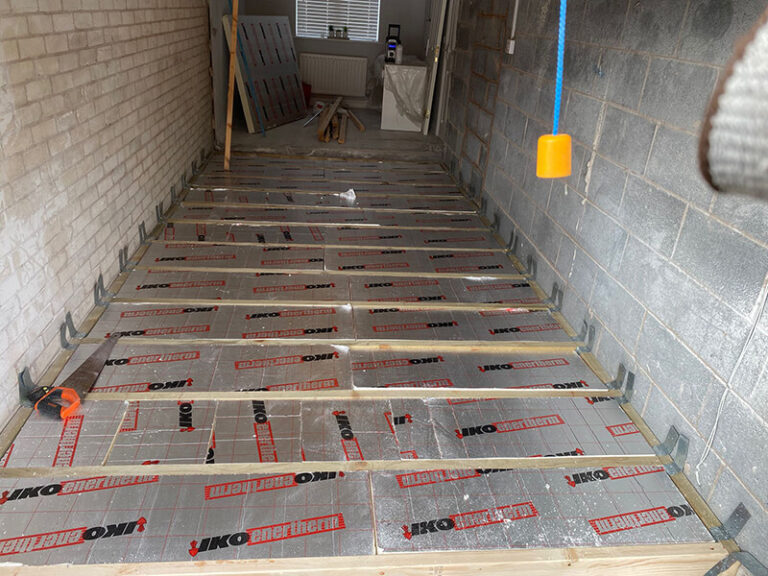
Building-control fees vary by application route, scope, inspections and provider. Learn what to check before starting a garage conversion.
Read guide