01
Plan your conversion
Room ideas, planning guidance and a clearer brief.
Use written milestones, invoices, variation rules and completion evidence to make garage-conversion payments easier to control.
 Practical guidance for UK homeowners
Plan your conversion
Room ideas, planning guidance and a clearer brief.
Get clear pricing
A guide range before you request quotations.
Build with confidence
Know what to ask about scope, approvals and warranty.
There is no single compulsory payment schedule for a garage conversion. The safer approach is a written contract that ties proportionate payments to clear stages, agreed materials, evidence of progress and a defined completion process. It should also explain variations, VAT, invoices, certificates and what happens if the programme changes.
Do not accept a large unexplained upfront payment simply because it is described as standard. Ask what the money funds, who owns ordered materials and what protection exists if the work stops.
Opening-up can reveal damp, drainage, structure or service problems. A variation should state the reason, revised scope, price, VAT, programme effect and approval before the extra work proceeds where practical. Informal “while you are here” work is difficult to compare and can create disputes at the final invoice.
Invoices should identify the stage, amount, VAT treatment and any approved variation. The contract should state how defects are reported, how certificates are provided and what warranty applies. Use the quote comparison guide before signing and the snagging checklist before treating the final stage as complete.
Payments can be linked to completed and inspectable stages such as the agreed floor build-up, structural work, first fix, plastering and final handover. The exact stages should reflect the project, not a copied template. State whether materials belong to the homeowner when paid for and how delayed deliveries, defects or approved changes affect the next invoice.
Paying a stage invoice does not need to mean that every part of the work is accepted as defect-free. State how defects, incomplete items, disputed variations and delayed certificates are handled. Get legal advice if the contract is complex or a dispute has already started.
Dates, decisions, inspections and certificates make the work easier to control and easier to explain later.
We separate early guidance from the contractor's final inspection, quotation, contract and warranty.
Answers to the practical questions most likely to shape this part of a conversion.
There is no universal compulsory percentage. Keep any deposit proportionate to genuine early materials or mobilisation, and make the payment basis and protection clear in writing.
The contract should state what completion, certificates, agreed defects and final payment mean. Do not invent a retention percentage without agreeing the terms before work starts.
This guide was researched against: GOV.UK building regulations approval · HMRC VAT for builders: houses and flats · Federation of Master Builders garage conversion guide. Guidance can change; check the relevant authority for the property and nation.
Read the guides that answer the next practical question without repeating this page.
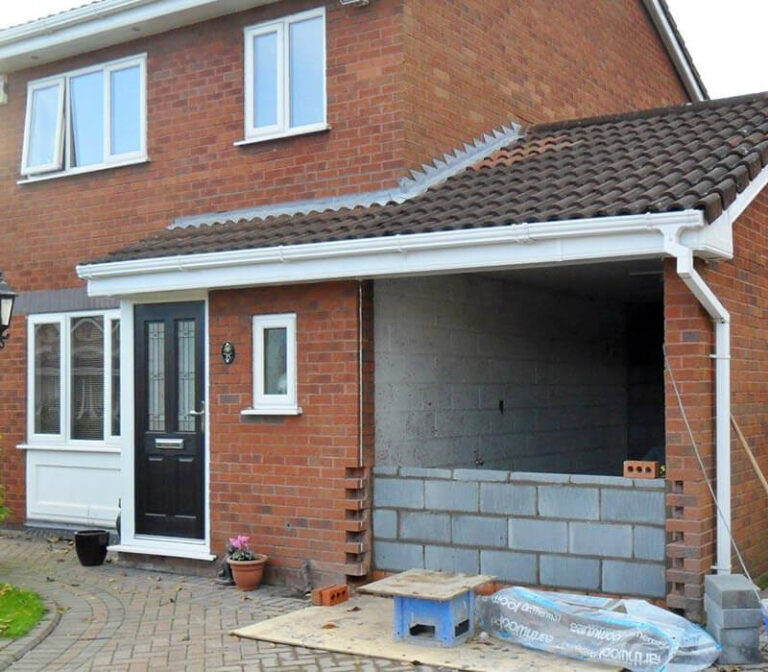
Compare specifications and exclusions, not just the bottom line, so you can see what each quote actually includes.
Read guideUse a room-by-room snagging checklist for finishes, doors, windows, sockets, services, drainage, certificates and completion paperwork.
Read guide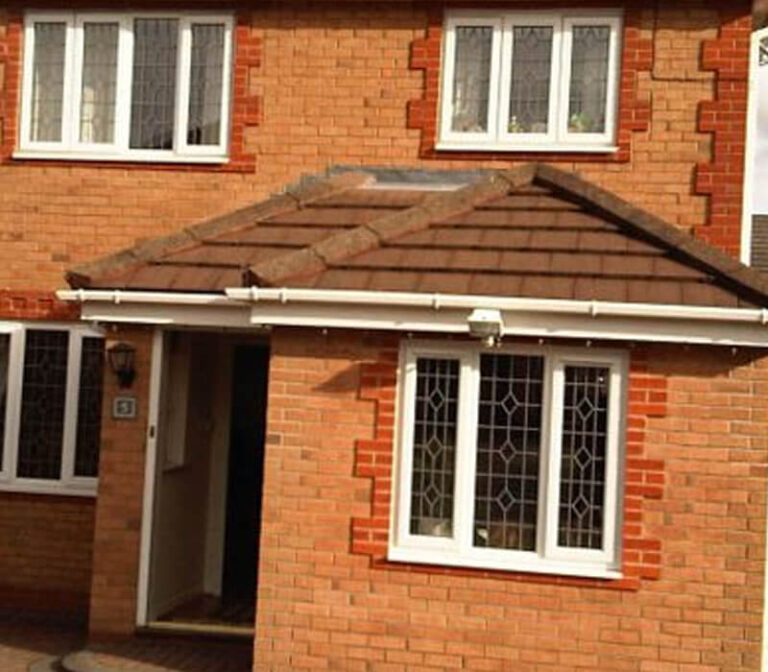
Notify your home insurer and check contractor, contract-works, liability, design and warranty arrangements before a garage conversion begins.
Read guide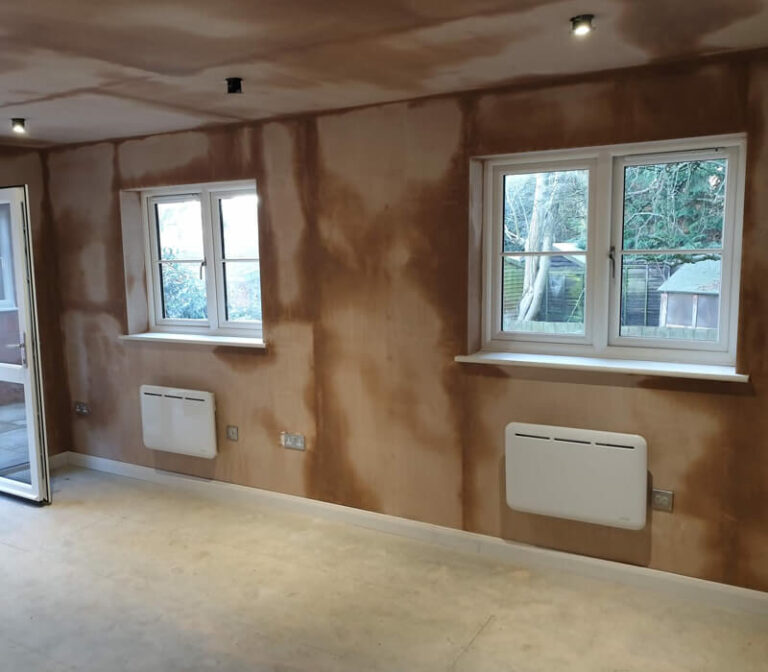
A completion certificate is part of the project record. Understand who issues it, what it confirms and what other documents belong with it.
Read guide